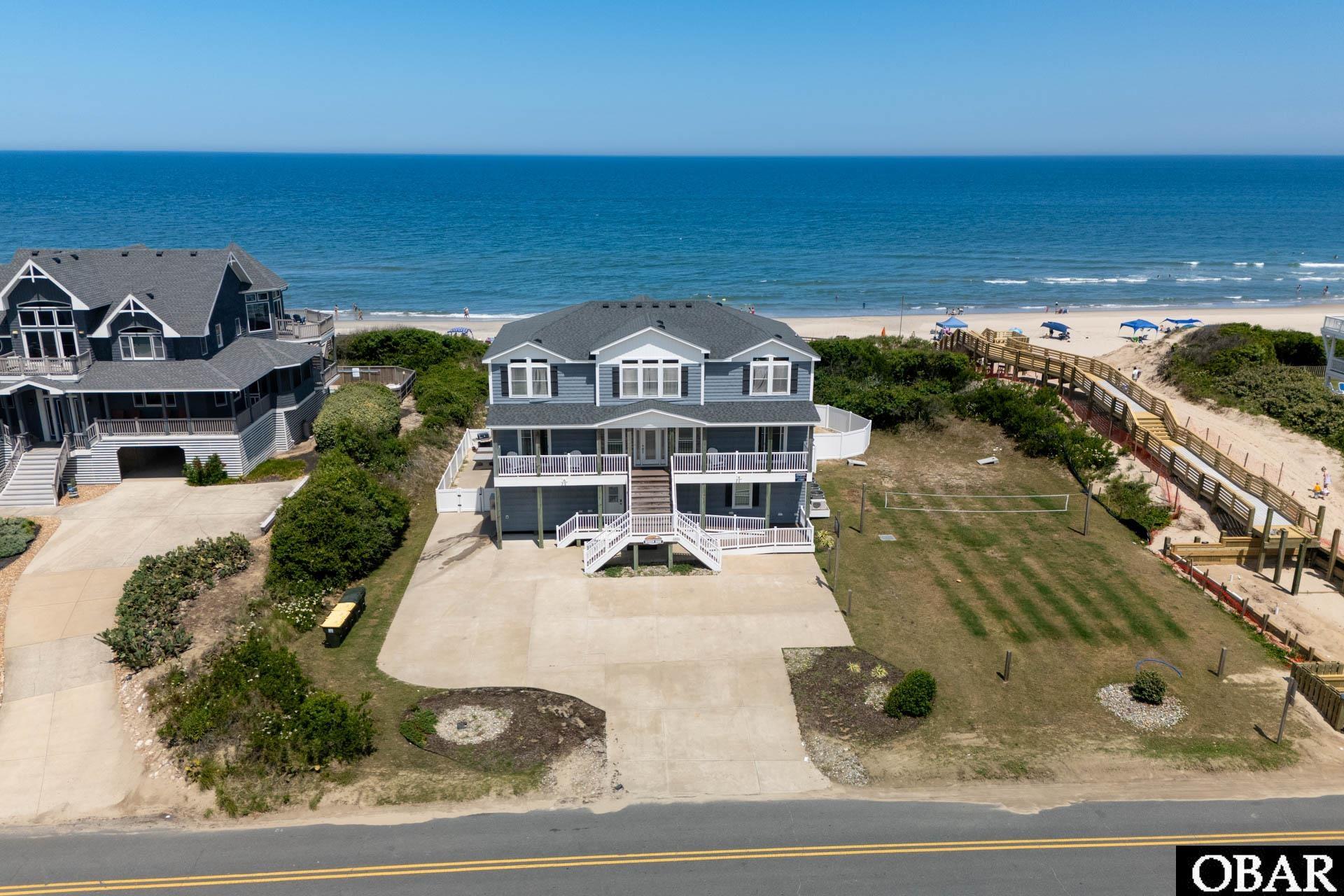
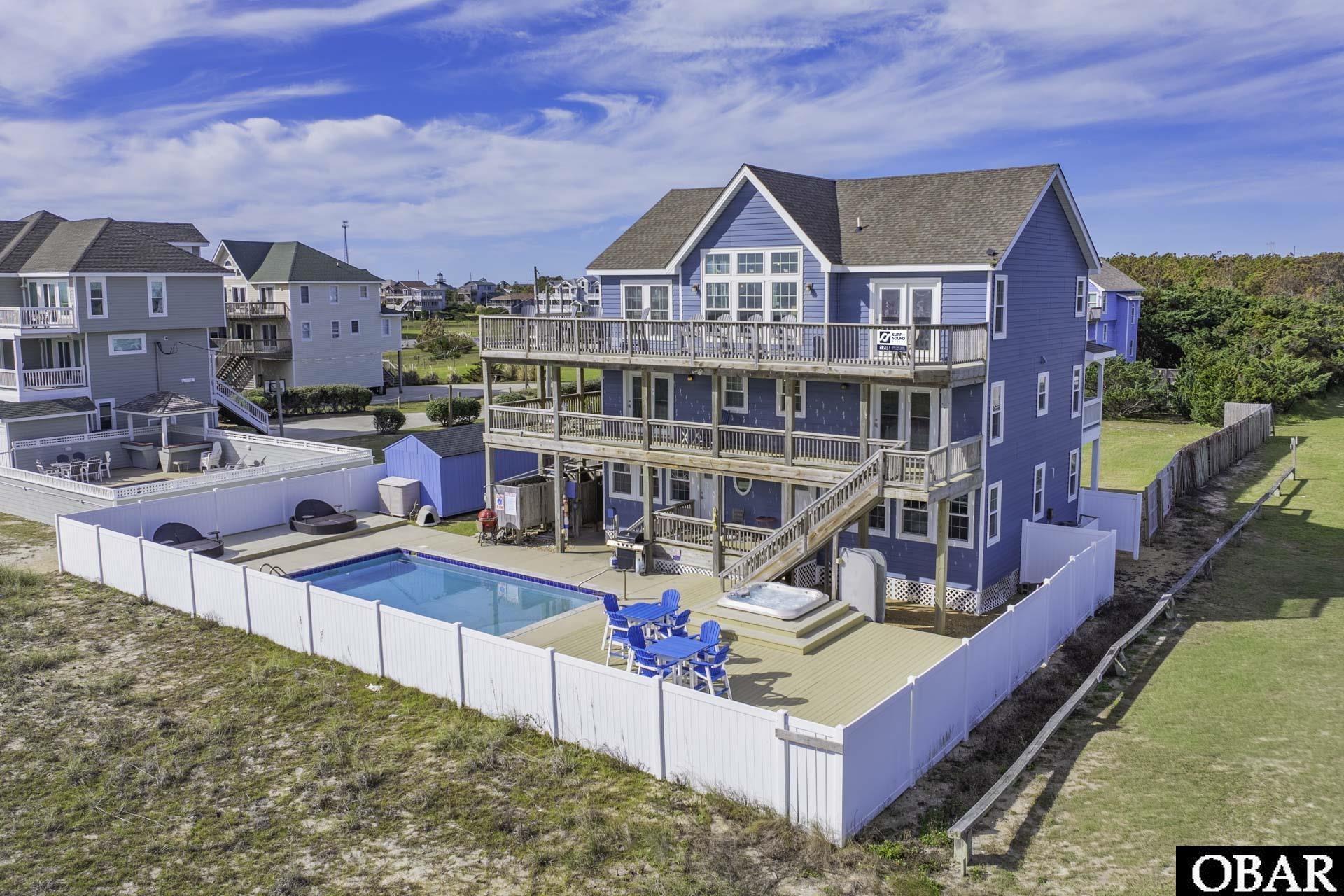
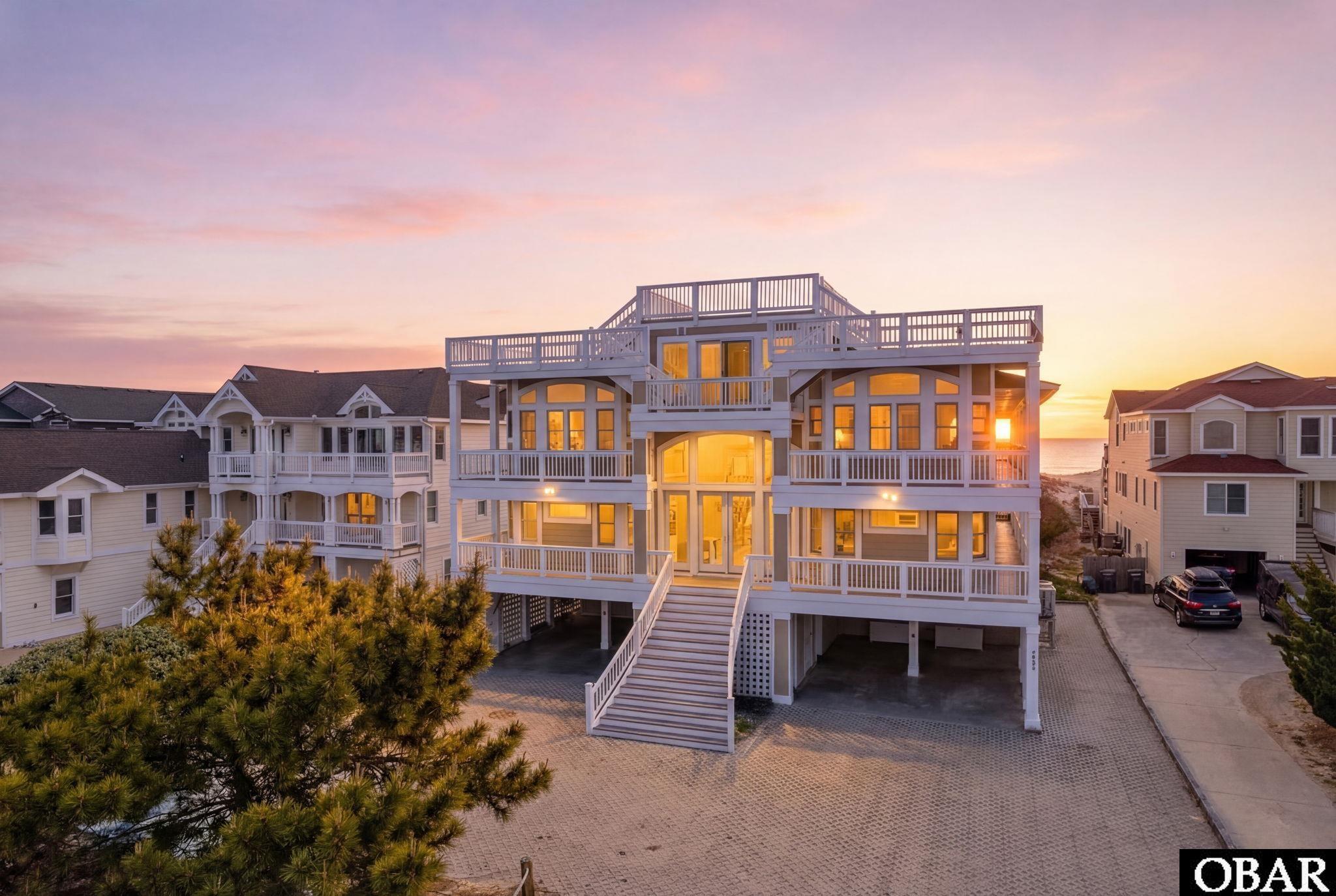
Outer Banks Oceanfront Dunes: The Line of Defense
A robust dune system is the "insurance policy" of an oceanfront home. While they look like ancient natural formations, the primary dunes of the OBX have a fascinating—and partially man-made—history.
The "CCC" Legacy: Crafting the Coastline
During the Great Depression, the Civilian Conservation Corps (CCC) and the WPA undertook a massive engineering feat. To protect the coast and provide jobs, thousands of young men built millions of feet of sand fencing and planted millions of sprigs of sea grass.
This effort created the continuous "barrier dune" that now protects NC Highway 12 and thousands of homes. Before this, the islands were much flatter, allowing the ocean to wash over them more frequently during storms.
Where to See Natural Dunes
Natural "migratory" dunes still exist where the CCC didn't intervene. You can see these massive, shifting hills at:
- Jockey’s Ridge State Park: The tallest living sand dune system on the Atlantic coast.
- Duck & Southern Shores: High natural ridges like those on Buffel Head Drive and Hillcrest Drive.
- Wright Brothers Memorial: The "Big Kill Devil Hill" where the first flights took place.
Building Your Own Defense: Methods & Permits
Property owners can take active steps to strengthen the dune line in front of their homes. However, because dunes are "Areas of Environmental Concern," all work requires a CAMA Minor Permit.
1. Sand Fencing (Passive Building)
By trapping wind-blown sand, fences can build a 10-foot tall dune over just one or two seasons.
The 45-Degree Rule: For maximum efficiency, install fences in short 10-foot sections at a 45-degree angle to the shoreline (Northwest to Southeast). This catches the powerful winter Nor'easters.
2. Beach Pushing (Mechanical)
Hiring a bulldozer to push sand up from the intertidal zone. This is typically done at low tide during the winter months.
2026 Restriction: Nags Head and other towns generally prohibit beach pushing in areas that have recently undergone "Beach Nourishment" to protect the newly placed sand profile.
3. Sand Trucking (The Best Results)
Bringing in compatible sand from off-site. While the most expensive, this "replaces" lost volume rather than just moving existing sand around, making it the most sustainable choice for the beach's health.